EN
 PT
 ES
 ZH

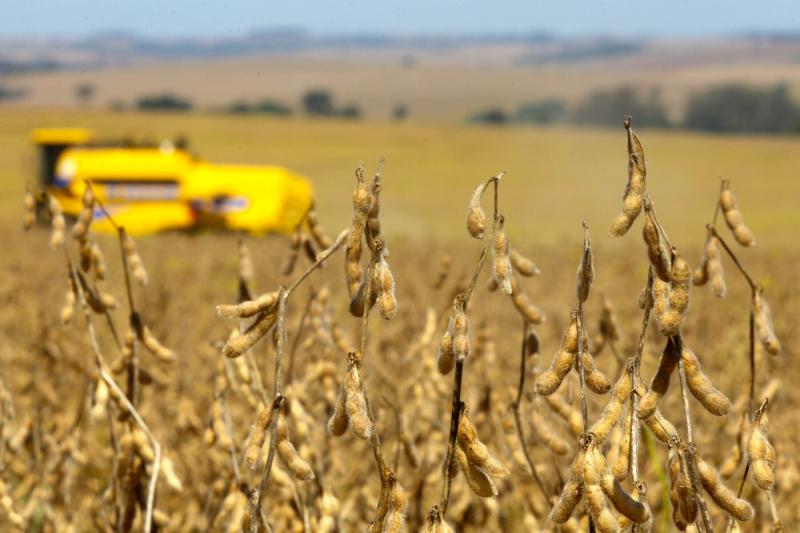
Weather is the determining factor in the final stage of seed production, directly influencing the maturation process and natural drydown in the field. Ideal temperature and sunlight conditions ensure the seed accumulates maximum energy reserves, resulting in superior vigor after harvest.
However, excessive rain at harvest time can be disastrous, causing moisture-related deterioration and favoring fungal disease outbreaks. Seed companies need an agile, efficient harvest structure to take advantage of dry-weather windows, minimizing the exposure time of mature seed to the elements.
Heat stress during grain filling can also affect quality. Excessively high temperatures speed up the plant's cycle in an undesirable way, resulting in smaller seeds with lower storage potential. Using cultivars adapted to each regional microclimate is a vital strategy for mitigating these effects.
Agrometeorological monitoring tools have become indispensable allies. By cross-referencing historical climate data with short-term forecasts, seed companies can plan field operations with surgical precision, protecting the physiological quality of lots against weather surprises.
Understanding the interaction between plant and climate is what sets apart the masters of the art of seed production. By anticipating risks and adapting management, Brazilian seed companies demonstrate their resilience and technical capability, ensuring that, regardless of the weather, the quality of domestic seed continues to shine in the field.