 EN
EN  PT
PT  ES
ES  ZH
ZH 
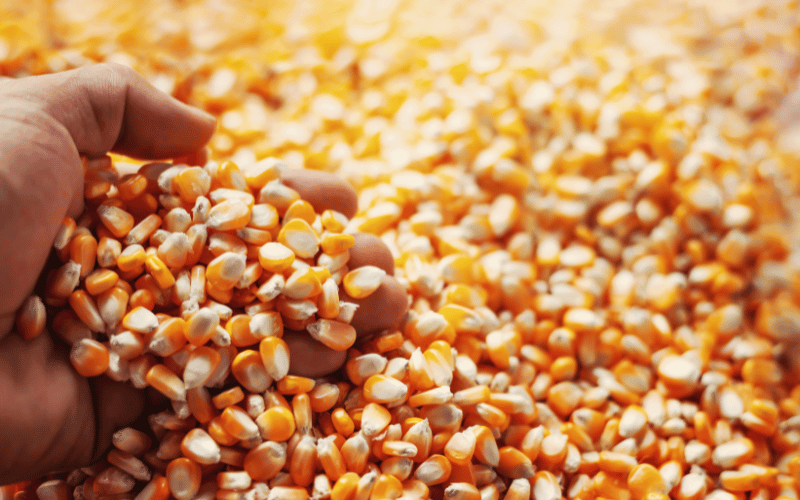
El cultivo del maíz es uno de los más desafiantes debido a su sensibilidad a las variaciones climáticas, especialmente durante el período de floración y llenado de granos. Para la empresa de semillas, producir semillas de maíz de alta calidad exige estrategias de manejo que minimicen los riesgos impuestos por el clima inestable de Brasil.
El uso de híbridos con mayor tolerancia al estrés hídrico es una de las principales herramientas disponibles. Las semillas que portan genética resiliente permiten que la planta mantenga sus funciones vitales incluso en períodos de veranillo, garantizando que la producción de semillas no se vea comprometida en términos de volumen y calidad.
El escalonamiento de la siembra y la elección criteriosa de las ventanas de siembra son prácticas esenciales para evitar picos de calor o heladas tardías. La empresa de semillas necesita ser una estratega del clima, utilizando herramientas de pronóstico meteorológico de alta precisión para planificar cada etapa del ciclo productivo con seguridad.
Además de la genética, el manejo nutricional equilibrado fortalece la planta frente a las adversidades climáticas. Las plantas bien nutridas, especialmente con niveles adecuados de potasio y calcio, presentan tejidos más resistentes y sistemas radiculares más eficientes, lo que se refleja directamente en la calidad de las semillas cosechadas.
Al entregar semillas de maíz preparadas para enfrentar los desafíos del campo, la empresa de semillas ofrece más que un insumo: entrega seguridad al agricultor. Ese compromiso con la resiliencia climática es lo que hace que el sector de semillas brasileño sea reconocido mundialmente por su competencia e innovación.
